

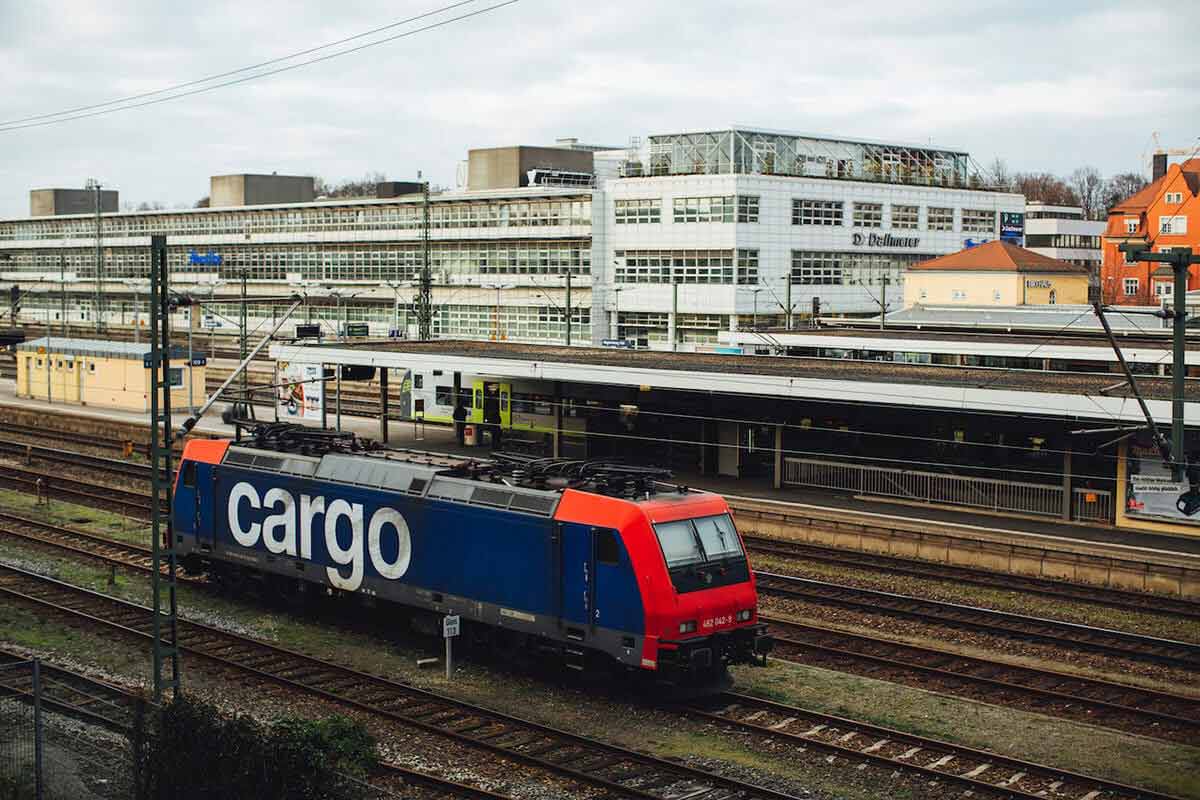
In today’s fast-paced delivery economy, drivers are often seen simply as the final link in the supply chain—responsible for getting packages from point A to point B. But in reality, drivers deliver far more than just products. They are ambassadors of the brand, problem-solvers, and critical touchpoints for customer experience. Understanding this expanded role can help businesses optimize operations, enhance customer satisfaction, and build lasting loyalty.
Drivers Deliver Much More Than Products.
Mark Johnson
Our Industry Explicit Competence
- Drivers as Brand Ambassadors
- Providing Real-Time Problem Solving
- Gathering Valuable Insights
- Enhancing Customer Experience
- Supporting Sustainability and Efficiency Goals


1. Drivers as Brand Ambassadors
Every interaction a driver has with a customer reflects on the company they represent. Friendly, professional, and timely deliveries leave a lasting impression. A driver’s behavior can:
Reinforce brand trust and reliability.
Influence customer reviews and repeat business.
Turn routine deliveries into opportunities for brand advocacy.
2. Providing Real-Time Problem Solving
Drivers often encounter challenges that go beyond navigation—unexpected obstacles, incorrect addresses, or customer-specific requests. Drivers who can adapt, communicate, and resolve issues on the spot help maintain smooth operations and prevent negative customer experiences.
3. Enhancing Customer Experience
The “last mile” is often the most visible part of the delivery process. Drivers can:
Offer personalized service, such as carefully handling fragile items or delivering to a preferred location.
Communicate proactively, providing real-time updates on delivery status.
Represent the human side of logistics, making technology-driven supply chains feel personal and reliable.
4. Gathering Valuable Insights
Drivers see firsthand what works—and what doesn’t—on the ground. They can provide insights about traffic patterns, delivery inefficiencies, or customer preferences. Leveraging this information allows companies to optimize routes, improve scheduling, and better understand customer needs.
5. Supporting Sustainability and Efficiency Goals
Modern drivers are also crucial in meeting sustainability objectives. Efficient routing, mindful driving practices, and feedback on packaging or delivery processes contribute to lower fuel consumption, reduced emissions, and streamlined operations.
6. Building Trust and Loyalty
When drivers consistently deliver products safely, on time, and with professionalism, they foster trust that goes beyond the package itself. Customers begin to associate reliability, care, and responsiveness with the company, which strengthens loyalty and long-term business relationships.
Conclusion
Drivers do much more than move goods—they are brand representatives, problem-solvers, and the face of customer experience. Businesses that recognize and empower their drivers can transform last-mile delivery from a simple logistics task into a strategic advantage. By investing in driver training, communication tools, and operational support, companies ensure that every delivery is not just a package delivered—but a positive and lasting customer experience.