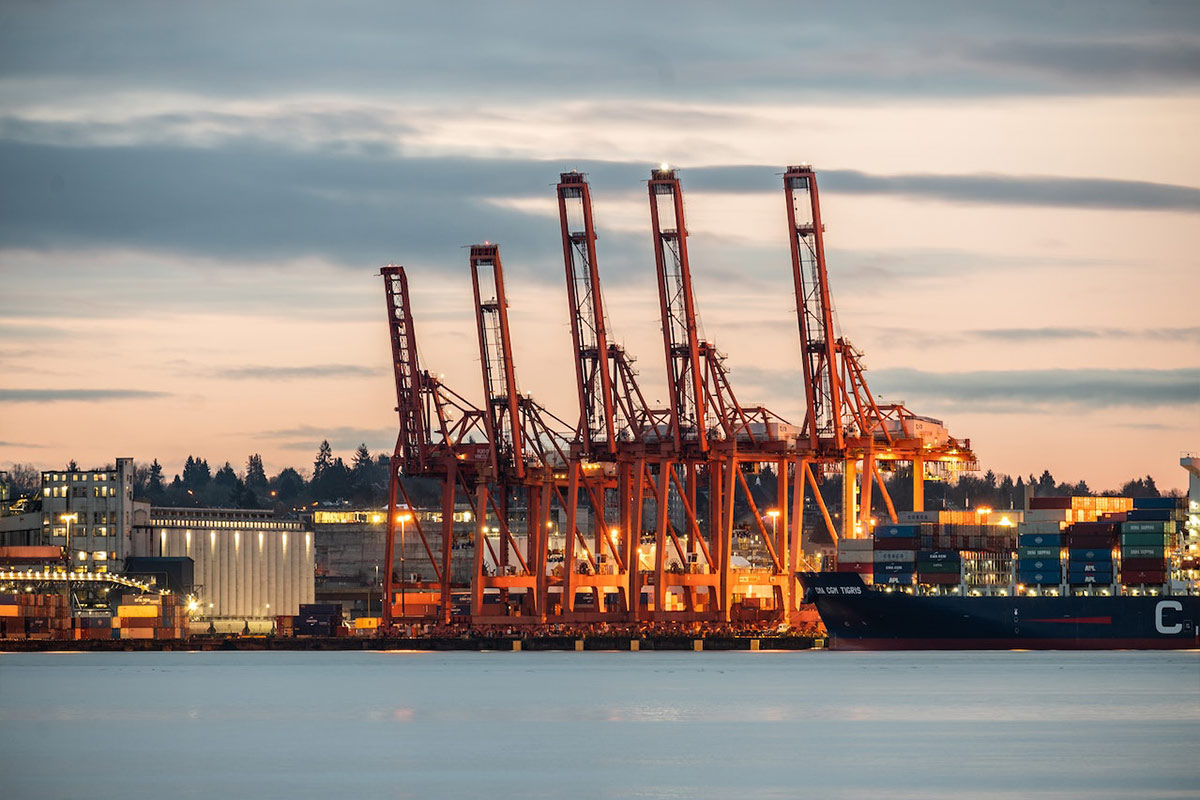
In global trade, moving goods across borders often involves multiple customs territories. To facilitate smoother trade and reduce unnecessary duties, businesses can apply for transit procedures for goods moving from one customs area to another. Understanding the conditions for applying for transited goods is essential to ensure compliance, avoid delays, and optimize supply chain efficiency.
Conditions for Applying for Transited Goods.
Mark Johnson
Our Industry Explicit Competence
- Understanding Transited Goods
- Legal Framework and Customs Requirements
- Conditions for Application
- Benefits of Proper Transit Application


1. Understanding Transited Goods
Transited goods refer to shipments that pass through one or more countries without being intended for sale or consumption in those countries. These goods are usually under customs supervision and may be subject to simplified procedures, allowing them to move efficiently to their final destination.
2. Legal Framework and Customs Requirements
Applying for transit requires adherence to the legal frameworks of the countries involved. Typically, these frameworks include:
Customs declaration forms specifying origin, destination, and transit route.
Transport documentation such as bills of lading or airway bills.
Customs guarantees or bonds to ensure duties will be paid if goods are diverted or used improperly.
Failure to meet these requirements can result in fines, detention, or confiscation of goods.
3. Conditions for Application
To apply for transited goods, businesses generally need to meet the following conditions:
Proper Identification of Goods
The goods must be clearly identified and classified according to customs regulations. This includes accurate HS codes, descriptions, quantities, and packaging details.Legal Compliance
The applicant must comply with all local and international laws governing the transit, including import/export regulations and any restrictions on prohibited items.Use of Approved Transit Routes
Many customs authorities require goods to follow specific transit routes under surveillance. This ensures goods are traceable and reduces the risk of diversion.Customs Guarantee
In most cases, a financial guarantee or bond must be submitted to cover potential customs duties, taxes, or penalties if the goods do not reach their intended destination.Timely Submission of Application
Transit applications must be submitted before the goods leave the country of origin or enter transit. Late submissions can delay shipments or result in denial of transit procedures.Valid Transportation Means
Goods must be transported using approved means—road, rail, air, or sea—that are recognized by customs authorities for transit purposes.
4. Benefits of Proper Transit Application
When businesses adhere to these conditions, they can enjoy several advantages:
Reduced customs duties and taxes in intermediate countries.
Faster movement of goods, leading to shorter lead times.
Legal protection and traceability, reducing the risk of disputes or penalties.
Improved supply chain efficiency for international trade.
Conclusion
Applying for transited goods is a crucial step in international logistics, enabling smoother trade while minimizing customs-related costs and risks. By meeting all legal and procedural conditions—accurate documentation, proper guarantees, approved transit routes, and timely applications—businesses can ensure their goods move efficiently and securely across borders. Understanding and following these conditions is not just a regulatory necessity; it’s a strategic approach to optimize global trade operations.